In today’s hyperconnected world, every click, purchase, and login can expose us to potential cyber threats. From phishing scams to ransomware attacks, hackers are growing more sophisticated, making it difficult for traditional security systems to keep up.
That’s where Artificial Intelligence (AI) comes in. AI-powered cybersecurity is revolutionizing how organizations detect, prevent, and respond to cyberattacks. With the ability to analyze millions of data points in real time, AI identifies suspicious behavior and stops threats before they cause damage.
In this blog, let’s explore seven powerful ways AI is reshaping cybersecurity and helping individuals, businesses, and governments stay one step ahead of hackers.
1. How AI in Cybersecurity Enhances Real-Time Threat Detection
Traditional cybersecurity systems depend on signature-based detection, which only identifies known malware. But as hackers constantly evolve, this approach falls short.
AI transforms this process through intelligent, adaptive threat detection techniques:
- Real-Time Monitoring: AI continuously scans networks, emails, and applications to detect unusual activity that might signal an attack.
- Pattern Recognition: Machine learning algorithms analyze massive datasets to spot subtle deviations invisible to human analysts.
- Zero-Day Detection: AI identifies previously unknown vulnerabilities by focusing on behavioural anomalies rather than waiting for known threat signatures.
Example: If an employee’s account suddenly logs in from a new location at midnight, AI can instantly flag it as suspicious, providing early warnings that dramatically cut down detection time.
2. Automated Response Systems Enable Instant Cyber Defense
Once a threat is detected, speed is critical. Every second of delay can result in stolen data or financial loss.
AI-powered cybersecurity automated response systems act instantly to contain attacks.
Key Benefits:
- Instant Isolation: AI quarantines infected files or devices immediately to stop malware spread.
- Reduced Human Error: Automation eliminates manual delays and mistakes during emergencies.
- Round-the-Clock Monitoring: AI never sleeps, providing 24/7 vigilance against potential threats.
For instance, when AI detects a malware infection, it can automatically disconnect a compromised user, alert IT teams, and initiate system recovery all within seconds.
3. Predictive Analysis Turns Cybersecurity Proactive
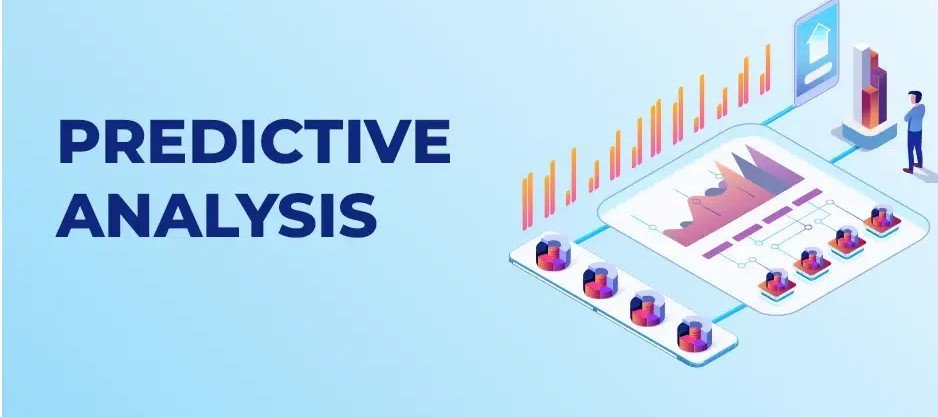
AI doesn’t just react, it predicts. With predictive analytics, cybersecurity tools can forecast future threats and block them before they occur.
Here’s how predictive AI works:
- Learning from Past Attacks: AI studies historical cyber incidents to identify repeating patterns.
- Detecting Vulnerabilities: Machine learning models recognize potential weak points hackers may exploit.
- Adapting to Emerging Threats: AI continuously updates its models to address new types of attacks.
Example: Predictive AI can assess which employees are most likely to be targeted by phishing emails, allowing teams to enhance training and protection.
This proactive defense strategy transforms cybersecurity from a reactive shield into a smart, predictive armor.
4. Behavioral Analytics Strengthens Internal Security
Hackers often use legitimate credentials to infiltrate systems — making them harder to detect. AI combats this with behavioral analytics, which tracks how users typically interact with systems and spots deviations.
AI-driven behavioural analytics includes:
- User Behaviour Profiling: Mapping patterns like login times, access frequency, and data usage.
- Anomaly Detection: Flagging behaviours that differ from the user’s normal routine, such as massive file downloads or unusual access times.
- Insider Threat Detection: Identifying suspicious actions even from trusted employees.
By learning what’s “normal” for each user, AI becomes a digital detective, spotting insider and credential-based attacks faster than traditional firewalls.
5. Smarter Identity and Access Management (IAM)
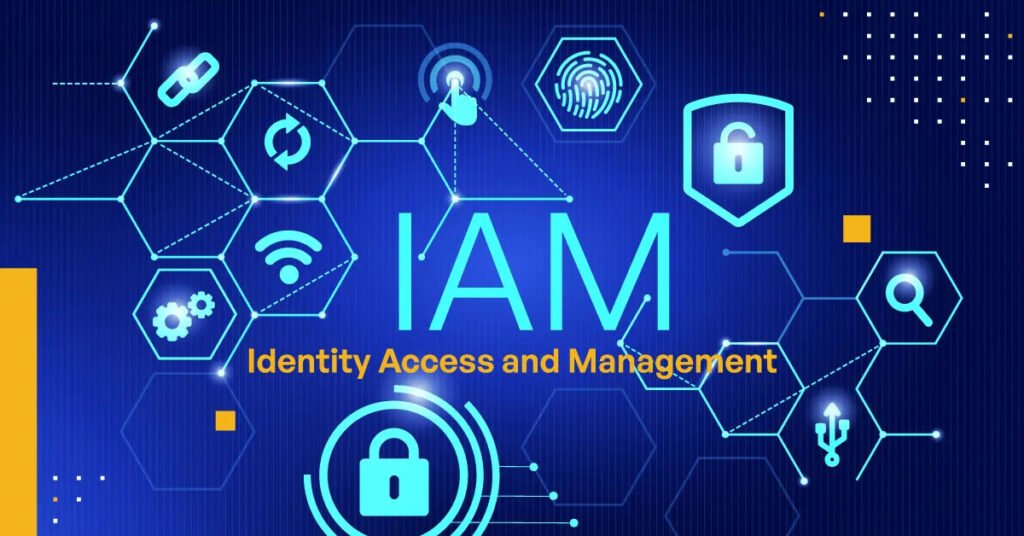
Compromised credentials remain one of the top causes of cyberattacks. AI takes Identity and Access Management (IAM) to the next level with smarter, context-aware authentication.
AI-powered IAM innovations include:
- Adaptive Authentication: Security checks that change dynamically based on login risk levels.
- Biometric Verification: Facial and voice recognition powered by AI, adding an extra layer of identity protection.
- Behavioural Biometrics: Monitoring typing patterns, mouse movements, and navigation styles to verify user identity seamlessly.
With these intelligent access systems, businesses can ensure that only the right people have the right access at the right time.
6. AI Improves Data Protection and Privacy
Data breaches are among the costliest cyber incidents. AI helps organizations safeguard sensitive data using intelligent encryption, classification, and anomaly detection.
How AI strengthens data protection:
- Dynamic Encryption: Automatically encrypts sensitive data based on its importance and usage.
- Smart Data Classification: Machine learning labels and prioritizes confidential files for added security.
- Anomaly Alerts: AI detects irregular data access or transfer and immediately alerts administrators.
Example: In a banking environment, AI can monitor who accesses client data and flag suspicious behavior, reducing risks of insider data theft or compliance violations.
By integrating AI, businesses not only enhance data security but also build trust and meet regulatory standards effortlessly.
7. Empowering Humans with AI-Assisted Cyber Awareness
Even with advanced technology, humans remain the most common entry point for cyberattacks. AI empowers employees to become stronger defenders through real-time assistance and personalized training.
AI’s impact on human cybersecurity:
- Phishing Detection Tools: AI email filters identify malicious links before users click.
- Personalized Security Training: AI tailors awareness programs based on user behaviour and vulnerability.
- Decision Support Systems: During a cyber incident, AI provides guidance on optimal next steps.
When humans and AI work together, organizations achieve faster response times, better decisions, and fewer breaches.
Conclusion: The Future of Cybersecurity is AI-Driven
The cybersecurity landscape is evolving at lightning speed and AI stands at the heart of this transformation. From predicting attacks to automating defenses, AI-powered systems provide unmatched speed, accuracy, and adaptability.
However, AI is not a replacement for human expertise. True cybersecurity excellence comes from combining human intuition with AI intelligence, guided by strong ethics and governance.
Organizations that embrace this hybrid approach will not only defend against today’s cyber threats but will also shape the future of secure, intelligent digital ecosystems.
